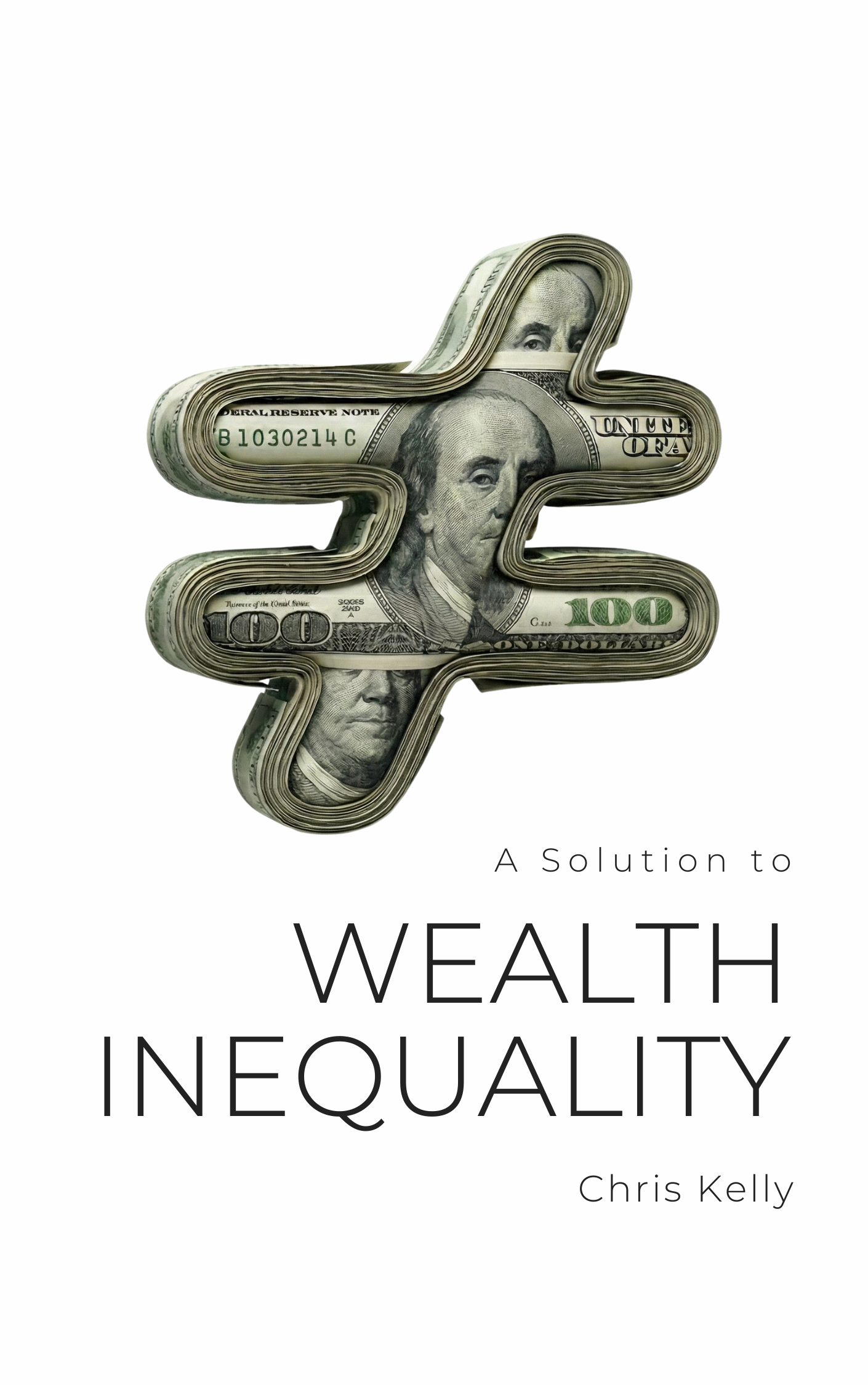
A Solution to Wealth Inequality
The solution to wealth inequality isn't class warfare. It's persuasion.
About the book
Conventional wisdom on wealth inequality has relentlessly focused on government action and taxes despite a near total lack of results. For all our efforts, the tax code is still broken and wealth inequality is spiraling. A Solution to Wealth Inequality makes the case that this approach was always a dead end, and proposes a more promising alternative: persuading the wealthy that they should address inequality themselves.
Persuasion will work where force has failed
It’s impossible to strongarm someone stronger than you, and no one is stronger than the ultra wealthy. This is why current conversations on wealth inequality go nowhere: advocates insist on higher taxes, yet Congress is in the pocket of wealthy people who can easily block them. But if the wealthy actually wanted to solve the problem, resistance would soften and we could start making real progress. This is more plausible than it sounds, and certainly more plausible than trying to force through tax reform in our current political and cultural environment. By better understanding the mindset and incentives that drive the wealthy, we can persuade them that solving wealth inequality is in everyone’s interest, including and especially their own.
What's your Number?
Our culture has no finish line for wealth accumulation, and without one there’s nothing to make a wealthy person stop and ask whether more money is actually improving their life. That’s why everyone needs to know their Number — the net worth that pays for the most comfortable lifestyle they’d realistically want to live. When wealthy people know their Number, the question stops being "how do I get more?" and becomes "what's all this actually for?"
A better argument
Current approaches to wealth inequality generally involve shaming and vilifying the ultra wealthy without trying to understand their perspective. It should come as no surprise that this has failed. A Solution to Wealth Inequality seeks to understand and respect all sides of the debate, and to bring the wealthy to our side as a willing ally instead of a defeated enemy. It doesn’t ask the ultra wealthy to act against their nature or their interests. Instead, it helps them gain a deeper understanding of both and see that they already point toward generosity.
Who Should Read This Book
- Wealthy people considering their philanthropic legacy
- Entrepreneurs searching for meaning and purpose beyond running their businesses
- Influencers interested in practical solutions to wealth inequality
- Philanthropists looking for evidence-based giving strategies
- Non-profits trying to increase engagement and donations
- Anyone who's curious about the psychology of wealth and giving